Vietnam is a country with a rare diversity of landscapes. Along its length stretch long coastlines, fertile plains, rolling highlands, and, most notably, majestic mountain ranges running from north to south. In Vietnam, mountains are not merely natural formations; they are places that preserve culture, history, spiritual beliefs, and the human journeys of pushing beyond personal limits.
Some mountains are famous for their great height, others for their untouched, wild beauty, while some are deeply intertwined with the spiritual lives of millions. Yet wherever they stand, mountains always offer a distinctive feeling: a sense of slowing down, becoming smaller, and connecting more deeply with oneself.
Below are five representative mountains that showcase the grandeur and diversity of Vietnam’s mountainous landscapes.
1. Fansipan – The Roof of Indochina and the Dream of Conquest
Elevation: 3,143 m
Location: Hoang Lien Son Range, Lao Cai

Fansipan has long been a symbol for those who love mountains and are driven by the spirit of exploration. Not only is it the highest peak in Vietnam, it is also known as the “Roof of Indochina,” a place where one can truly feel the meeting point between heaven and earth.
Before the cable car was built, the journey to the summit of Fansipan was a true challenge. Climbers had to trek for several days through dense forests, cross streams, sleep in cold mountain mist, and endure the unpredictable weather of high-altitude terrain. Yet it was precisely these hardships that made Fansipan so special—each step was a step beyond one’s own limits.
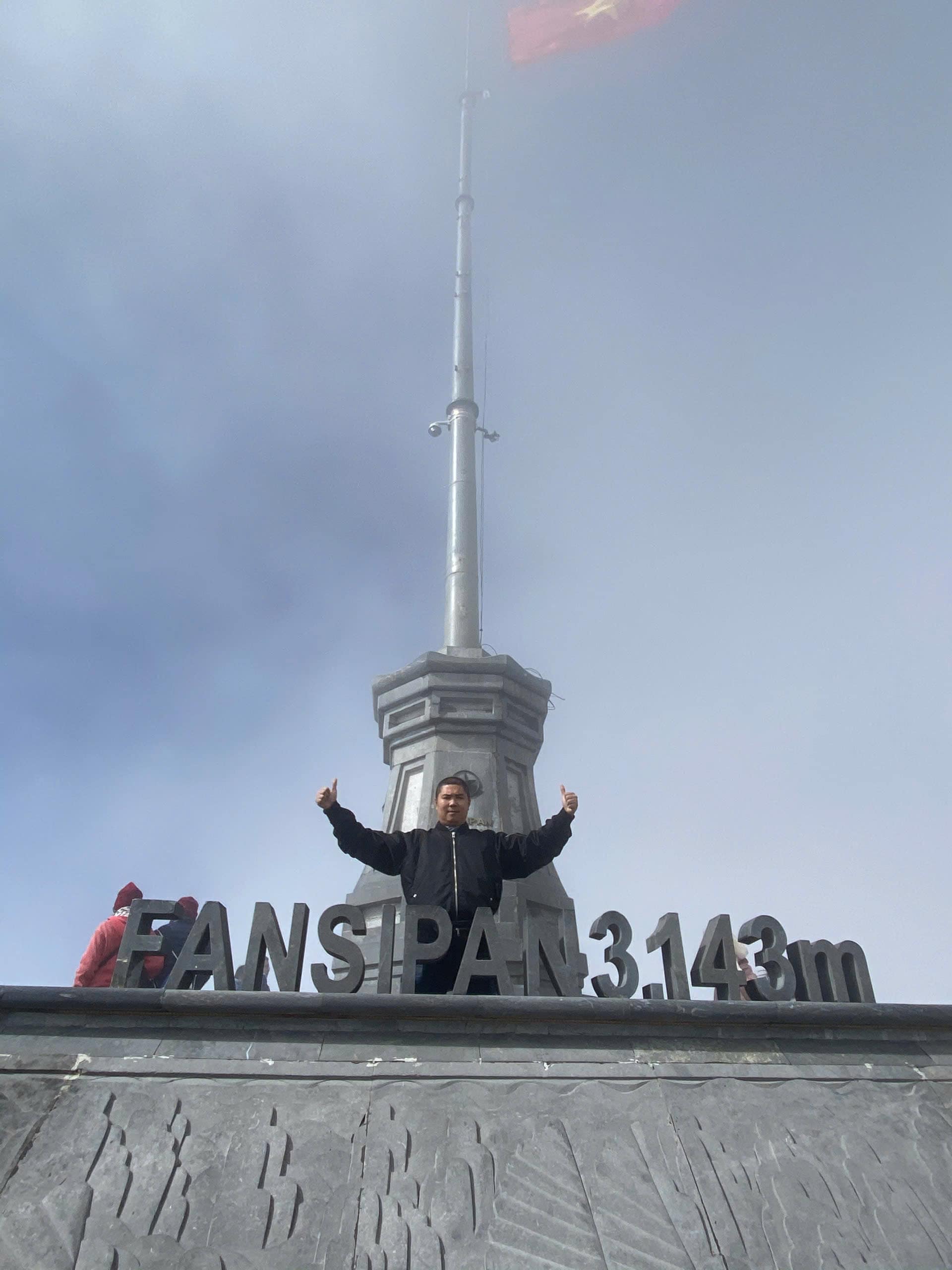
Today, Fansipan is more accessible, but its majestic beauty remains unchanged. Rolling seas of clouds, deep green primeval forests, a cool climate year-round, and the sensation of standing at over 3,000 meters above sea level still leave visitors in awe.
Fansipan is not only high in terms of geography—it rises just as powerfully in emotion and experience.
2. Pù Luông – Where Mountains and Human Life Intertwine
Elevation: approximately 1,700 m
Location: Thanh Hoa

If Fansipan represents conquest, Pù Luông embodies tranquility. The mountains here are not towering or overly rugged; instead, they roll gently, winding around endless stretches of terraced rice fields that seem to meet the horizon.
What makes Pù Luông truly special is not just its landscape, but the way people live in harmony with it. Thai and Muong ethnic villages cling to the slopes, with stilt houses facing the fields, and life follows the rhythm of the rice seasons and weather patterns.

Mornings in Pù Luông often begin in a soft mist. As the sun rises, the contours of the mountains and terraces become clear. By afternoon, cool breezes sweep through the rice fields. There is no need for endless activities; simply staying, observing, and breathing in the environment allows you to feel the quiet, balanced beauty of the mountains.
Pù Luông is a place to rest, to breathe deeply, and to truly slow down—an invitation to experience life at a gentler pace.
3. Tà Xùa – Where Clouds and Mountains Become One
Elevation: approximately 2,865 m
Location: Son La

Tà Xùa is a must-visit for travelers, especially those passionate about cloud hunting. This mountain is famous for its “dinosaur spine” ridge—a narrow, elongated peak flanked by steep cliffs and a sea of drifting clouds.
The journey to Tà Xùa is not easy. Winding mountain passes, dense fog, strong winds, and rapidly changing weather test every traveler. But the reward is unmatched: standing amidst the clouds, watching them roll beneath your feet, gives a sense of wonder few places can offer.

At Tà Xùa, humans feel small. The vastness of space, the fierce wind, and the fast-moving clouds seem to sweep away the noise of everyday life. People come to Tà Xùa not just to take photos, but to experience the fragile, fleeting sense of being a part of nature itself.
4. Ngọc Linh – The Mountain of Sacred Energy and Enduring Value
Elevation: 2,598 m
Location: Quang Ngai

Ngọc Linh is often called the “roof of the Central Highlands” and stands out as one of Vietnam’s most unique mountains. Its significance goes beyond height; it embodies ecological, cultural, and medicinal value.
The mountain is home to Ngọc Linh ginseng, one of the rarest and most prized ginseng species in the world. Beyond its medicinal importance, Ngọc Linh holds spiritual significance for local ethnic communities. Dense forests, thick mist, and a cold, humid climate create a unique ecosystem that has remained largely untouched.

Ngọc Linh is not a typical tourist destination. It calls to those who genuinely wish to understand the forest, the natural environment, and the deep relationship between humans and their surroundings.
Here, the mountain does not boast or flaunt itself. It simply stands—quiet, resilient, and enduring—symbolizing the harmony between nature and culture.
5. Ba Den Mountain – The Mountain of Faith and Spirituality
Height: 986 m
Location: Tay Ninh

Ba Den Mountain is not the highest in Vietnam, but it holds a special place in the spiritual life of Southern Vietnamese people. Rising prominently above the vast plains, it stands as a “natural landmark,” both majestic and approachable.
For generations, it has been a popular pilgrimage site. Visitors climb the mountain not only to enjoy the view but also to pray for peace, health, and good fortune. The steps, caves, and shrines bear the footprints of millions over many generations.

From the summit, you can enjoy panoramic views of the Tay Ninh plains, with green fields and winding rivers. Sunrise or sunset atop the mountain creates a spectacular and emotional scene.
Today, a cable car makes reaching the summit easier, but Ba Den Mountain still preserves its sacred atmosphere and natural beauty. It is a place where nature, culture, and spirituality converge—leaving anyone who stands at the top with a sense of calm and reflection.
Why Mountains Always Draw Us Back
Mountains are never noisy. They never rush. Yet somehow, they always make us pause.
In the mountains, we learn:
- Patience, when the path is uneven and full of challenges
- Humility, when standing before vast, untamed nature
- Listening, a skill often forgotten in modern life
Each mountain offers a different lesson. Some teach us to push beyond our limits, others show us how to slow down, and some remind us to respect nature—and ourselves.

Tips for Exploring Mountains in Vietnam
Hiking mountains isn’t necessarily difficult, but doing it the right way makes the journey safer, more fulfilling, and truly memorable.
- Check the weather in advance
Mountain weather changes quickly, especially during the rainy or cold seasons. Fog, heavy rain, or strong winds can make travel dangerous. Always check forecasts and avoid going when warnings are issued. - Prepare your fitness and itinerary
Not every mountain is a casual stroll. For long trekking routes, make sure you’re well-rested, well-fed, and avoid overexertion. Plan your schedule with enough breaks, and don’t rush through the trails. - Wear proper clothing and gear
Good hiking shoes or boots are essential. Clothing should be lightweight, quick-drying, and able to keep you warm in cold conditions. Bring a light jacket, raincoat, and a hat to protect against sun and wind. - Bring enough water and snacks
Not all mountain routes have shops or stalls. Carry water, fruits, energy bars, or dried food to maintain energy throughout your trek.

- Respect nature and local culture
Do not litter, break branches, or make excessive noise. On mountains with spiritual significance or indigenous communities, dress respectfully, behave courteously, and always ask permission before taking photos of locals. - Don’t hike alone if inexperienced
For challenging trails, go in a group or with a guide. Hiking alone increases risks in case of bad weather or emergencies. - Move slowly to fully experience the journey
Hiking is not a race. Walking at a steady pace keeps you safer, allows you to observe your surroundings, and helps you fully enjoy the scenery.
The more careful you are on the mountain, the richer your experience will be. It’s not just about reaching the summit—it’s about how you walk each step along the way.
Conclusion – When Mountains Are More Than Destinations
Five mountains, five shapes, five very different stories. Yet all of them offer people the same opportunity: to step out of the familiar rhythm of daily life and see the world from a higher, wider, and deeper perspective.
Some journeys don’t need to go far or check off countless destinations. Sometimes, all it takes is one mountain, a moment of quiet, and enough time to truly feel it. Because often, what we are looking for isn’t at the summit—it’s found in the journey itself.
———————-
Contact Us
- Address: Number 449 – Hong Ha street | Phuc Tan, Hoan Kiem District, Hanoi
- Hotline: +84 915 010 817
- Email: jameshanoimotorbikes@gmail.com
- Facebook: facebook.com/jameshanoimotorbikes